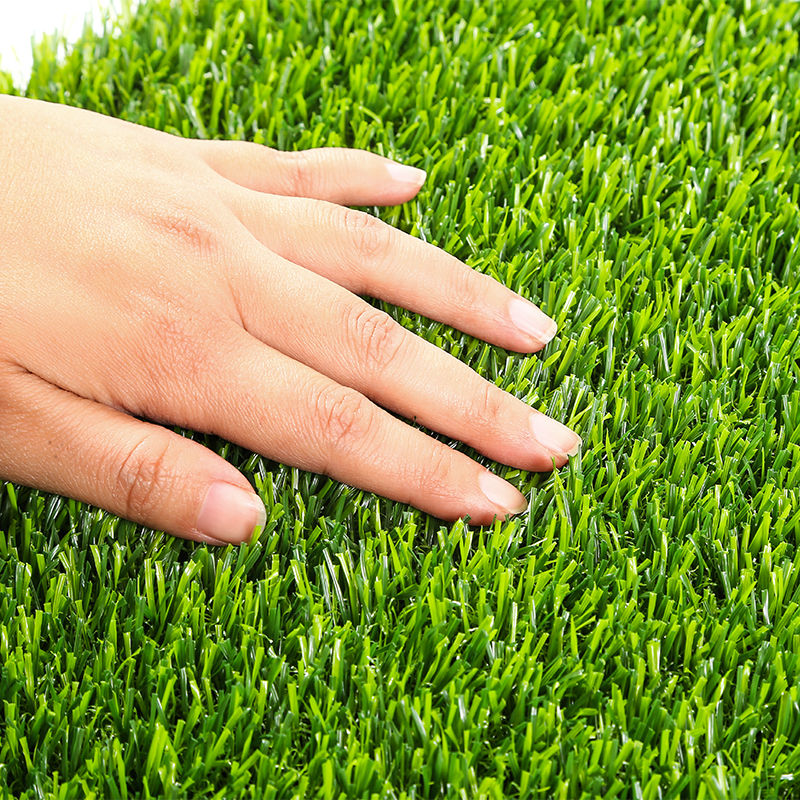
From Yarn to Finished Roll: How Artificial Grass Is Produced
When buyers receive a finished roll of artificial grass, it may look like a simple product. Behind it, however, are several production steps that determine how the turf looks and performs.
Tufting Comes First
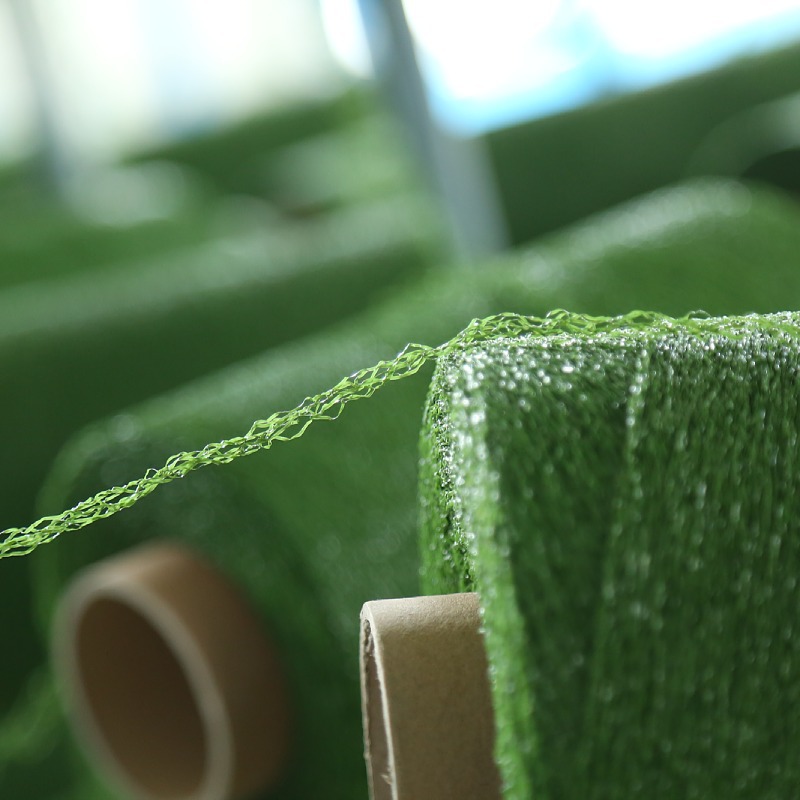
Production begins with the selected yarn and backing cloth. During tufting, the yarn is inserted into the primary backing according to the required gauge, stitch rate and pile height.
For a bulk order, these settings need to remain consistent throughout production. Small changes at this stage can affect the density and appearance of the finished turf.
Coating Creates a Stable Backing
After tufting, the turf moves to the coating process. The backing is coated to help secure the yarn and provide stability to the finished roll.
Temperature, coating condition and drying all need to be controlled during this stage.
Finishing and Inspection
Once coating is completed, the turf is dried, trimmed and prepared according to the order requirements.
Before packing, several details can be checked, including:
- Pile height and density
- Turf color and surface appearance
- Roll dimensions
- Backing condition
- Overall consistency
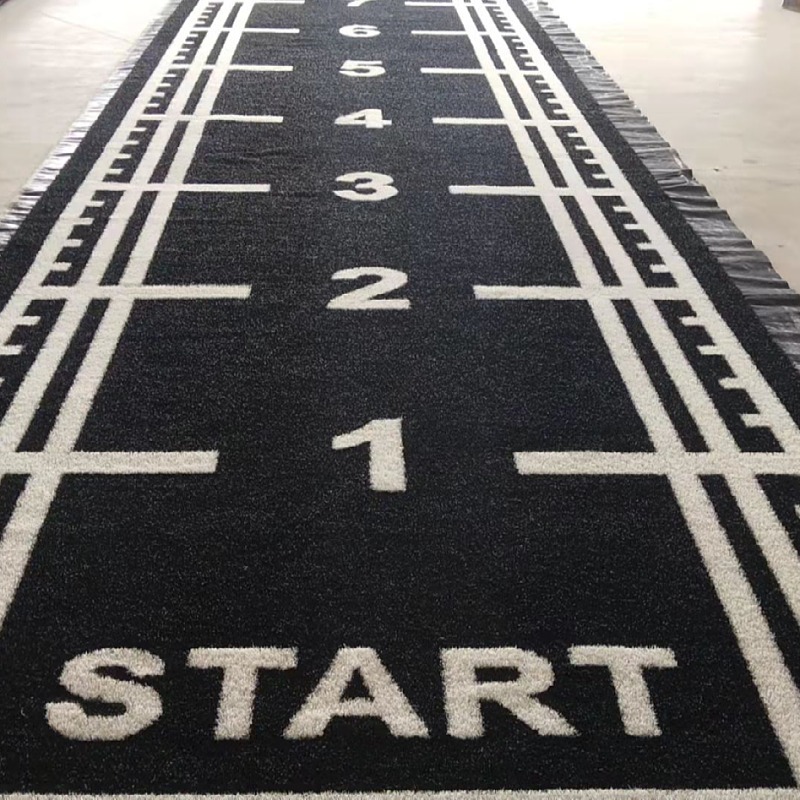
For customized products such as gym turf with lines, patterns or logos, the design should also be checked against the confirmed order details.
Why Production Control Matters
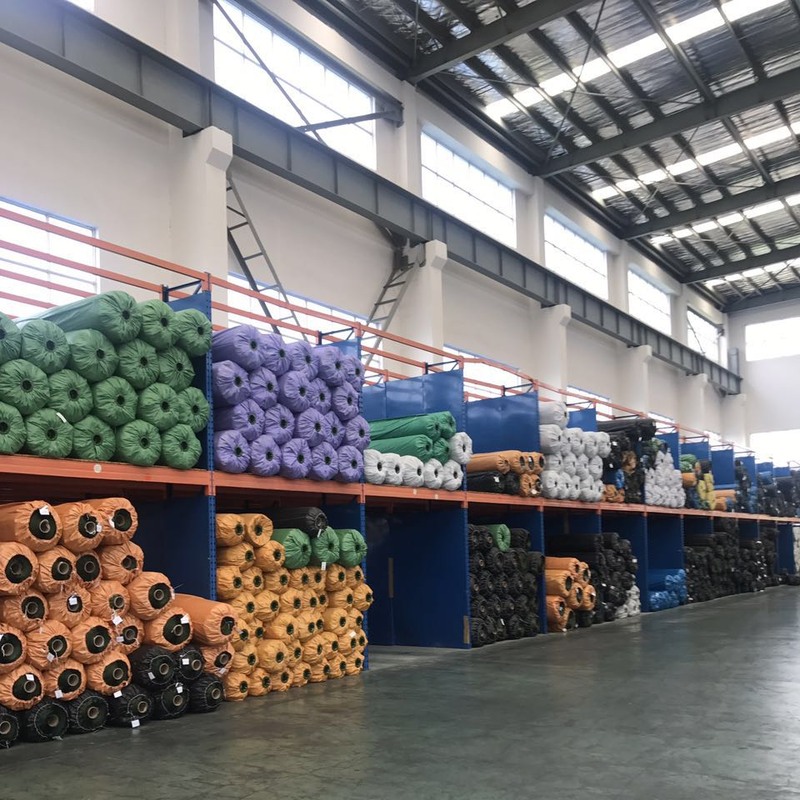
For international buyers, consistent production is especially important because one shipment may contain hundreds or thousands of square meters.
Good production control is not only about finding problems at the end. It is about checking each important stage before the turf is packed and shipped.
At Champion Grass, production specifications are confirmed according to each order so that buyers know what to expect when the finished rolls arrive.
 How Factory Capacity Supports Stable Artificial Turf Export Orders